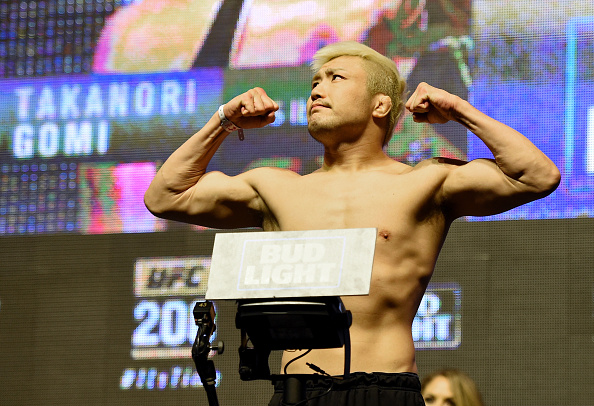
The Fireball Kid's Ascent: Tracing Takanori Gomi's Path to a $3 Million Fortune
Step into the fiery world of Japanese mixed martial arts, where legends are forged in the crucible of fierce competition. Among the most iconic figures stands Takanori Gomi, affectionately known as "The Fireball Kid." With his explosive power, relentless aggression, and captivating fighting style, Gomi carved out a remarkable career that spanned decades and promotions, earning him not only legions of fans but also a substantial financial legacy. Today, the estimated
Takanori Gomi net worth stands at an impressive
$3 million, a testament to his enduring talent and the significant earnings accumulated through a storied career.
Born in Kanagawa, Japan, in September 1978, Gomi quickly established himself as a force to be reckoned with. His journey began in the burgeoning Japanese MMA scene, where he honed his striking prowess and submission defense. Unlike many fighters who transition between sports, Gomi dedicated himself to MMA from the outset, a decision that would pay dividends throughout his career. His early days laid the groundwork for the legendary status he would later achieve, transforming a promising young athlete into a global superstar. Understanding how a fighter reaches such a financial milestone involves looking beyond just fight night, considering the impact of sponsorships, bonuses, and the longevity of a career built on excitement and skill.
Early Dominance: The Shooto Reign and Foundation of a Fortune
Takanori Gomi's professional MMA journey officially commenced in November 1998 within the respected Japanese Shooto promotion. His debut saw him defeat Hiroshi Tsuruya, signaling the arrival of a future star. Shooto, at the time, was a proving ground for many Japanese talents and offered Gomi the perfect platform to develop his craft. It was here that "The Fireball Kid" began to perfect his signature aggressive striking style that would later become his calling card.
His rise through the ranks of Shooto was swift and decisive. By December 2001, Gomi had reached the pinnacle of the promotion, defeating the highly regarded Rumina Sato to claim the prestigious Shooto World Lightweight Championship. This victory not only solidified his status as one of Japan's premier fighters but also marked a significant increase in his earning potential. Championship belts in major promotions like Shooto came with enhanced fight purses, performance bonuses, and greater marketability for sponsorship deals, all contributing to the nascent
Takanori Gomi's financial journey. While he eventually lost the title to Joachim Hansen in August 2003, his time in Shooto proved invaluable, establishing him as a household name in Japanese combat sports and setting the stage for even bigger opportunities.
*
Key Career Milestones in Shooto:
*
November 1998: MMA debut in Shooto, victory over Hiroshi Tsuruya.
*
December 2001: Defeats Rumina Sato to win the Shooto World Lightweight Championship.
*
August 2003: Loses Shooto title to Joachim Hansen, concluding a significant chapter.
Pride FC Dominance: The Golden Age of "The Fireball Kid"
The early to mid-2000s marked the golden era of Pride FC, a promotion that captivated audiences worldwide with its grand spectacles and emphasis on exciting, finishes-driven fights. It was in this legendary arena that Takanori Gomi truly cemented his status as an MMA icon and significantly boosted his
Takanori Gomi net worth. His aggressive style and knockout power were perfectly suited for the Pride ruleset, making him an instant fan favorite.
One of Gomi's most memorable moments came in May 2004 during Pride Bushido, where he delivered the fastest knockout in Pride FC history, flattening Ralph Gracie in a mere six seconds. This highlight-reel finish wasn't just a win; it was a statement that echoed across the globe, enhancing his reputation and marketability exponentially. Such moments are invaluable for fighters, leading to bigger contracts, more lucrative sponsorships, and a higher profile in the sport.
His crowning achievement in Pride arrived in December 2005 when he defeated Hayato Sakurai to win the Pride Lightweight Championship. This was a monumental victory, securing him the lightweight crown in arguably the world's premier MMA organization at the time. Winning a championship in a global powerhouse like Pride FC brought with it a substantial increase in earnings, making him one of the highest-paid lightweights of his era. Gomi's reign as champion, coupled with his consistently entertaining performances, showcased his ability to not only win but to do so in spectacular fashion. These captivating performances directly translated into greater fan engagement and financial success, solidifying a significant portion of his overall
career earnings.
From Pride to UFC: Adapting to the Global Stage
The transition from Pride FC to the Ultimate Fighting Championship (UFC) represented a significant shift for many fighters, and Takanori Gomi was no exception. While the UFC offered a global platform, it also came with new challenges, rule sets, and a fiercely competitive roster. Gomi made his highly anticipated UFC debut in March 2010, facing Kenny Florian, a tough opponent who handed "The Fireball Kid" a loss. This period underscored the intense competition at the highest level of the sport.
Despite the initial setback, Gomi quickly adapted and showcased glimpses of his legendary form. In August 2010, he delivered a vintage performance, defeating Tyson Griffin and earning the coveted "Knockout of the Night" bonus. These performance bonuses, typically around $50,000, are crucial for a fighter's income, often adding significantly to their base pay and underscoring the financial rewards of delivering exciting finishes. Gomi continued to prove his entertainment value, earning "Fight of the Night" bonuses in subsequent victories over Mac Danzig in November 2012 and Isaac Vallie-Flagg in April 2014. Such consistent bonus-earning performances not only bolstered his finances but also reinforced his reputation as a must-watch fighter.
By September 2017, Gomi's professional record stood at an impressive 35 wins and 14 losses, with 13 of those victories coming by knockout. His ability to deliver thrilling KOs and FOTN battles cemented his legacy as one of the most exciting fighters of his generation, regardless of the promotion. Even in the twilight of his career, Gomi remained a draw, a testament to the foundation he built through his early dominance in Shooto and his iconic run in Pride FC. His time in the UFC, while perhaps not reaching the same heights as his Pride era, added substantial earnings through fight purses and performance bonuses, contributing significantly to his multi-million dollar net worth.
Unpacking Takanori Gomi Net Worth: Beyond the Octagon
The estimated
Takanori Gomi net worth of $3 million is a reflection of a career built on skill, charisma, and strategic financial planning in a demanding sport. While the lion's share of an MMA fighter's income comes from fight purses and win bonuses, several other revenue streams contribute to a substantial fortune.
*
Fight Purses and Bonuses: As highlighted, Gomi's career spanned multiple major promotions, each offering escalating pay scales for top-tier talent. His championship reigns in Shooto and Pride, coupled with his high-profile status in the UFC, ensured he commanded significant fight purses. Performance bonuses (Knockout of the Night, Fight of the Night) provided substantial boosts, especially when earned consistently.
*
Sponsorships and Endorsements: Given his "Fireball Kid" persona and immense popularity, particularly in Japan, Gomi was undoubtedly a magnet for endorsement deals. Japanese culture deeply respects its combat sports heroes, and Gomi's image would have been highly sought after by various brands, from athletic wear to nutritional supplements and more general consumer products. These off-octagon earnings can often rival or even exceed fight night pay for established stars.
*
Post-Fighting Ventures: While specific details about Gomi's post-retirement business ventures are not widely publicized, it's common for veteran fighters to transition into roles such as gym ownership, coaching, brand ambassadorship, or media appearances. These activities leverage their established fame and expertise, creating new income streams that continue to grow their wealth long after their active fighting careers conclude. A fighter's brand value, built over years of competition, becomes an asset in itself.
*
Longevity and Consistency: Gomi's career spanned over two decades. This incredible longevity, coupled with his consistent ability to deliver exciting performances, meant a steady income flow over a prolonged period, allowing for significant accumulation of wealth through intelligent financial management.
For aspiring fighters, Gomi's career offers valuable insights:
1.
Develop a Unique Style: Gomi's aggressive, knockout-focused style made him a marketable superstar.
2.
Prioritize Finishes and Excitement: Performance bonuses are a powerful income enhancer.
3.
Build a Strong Brand: Popularity translates directly into sponsorship opportunities.
4.
Consider Longevity: A long, healthy career provides more opportunities for earnings and wealth building.
The Enduring Legacy of Takanori Gomi
Takanori Gomi, "The Fireball Kid," isn't just known for his impressive
Takanori Gomi net worth; he is celebrated for the indelible mark he left on the sport of mixed martial arts. His fierce fighting spirit, combined with his electrifying striking and memorable performances, cemented his status as a true legend. From his early days as a Shooto champion to his explosive run in Pride FC, culminating in the lightweight championship, and his memorable moments in the UFC, Gomi consistently delivered excitement.
His legacy extends beyond individual wins and losses. Gomi played a pivotal role in popularizing MMA, especially in Japan, and inspired a generation of fighters and fans with his fearless approach to competition. The estimated $3 million net worth he accumulated is not merely a number; it is a reflection of a career dedicated to excellence, entertainment, and relentless pursuit of victory. "The Fireball Kid" remains a beloved figure, a symbol of aggressive artistry and enduring passion in the unpredictable world of professional fighting.